Gods unchained guide Is a practical cards and strategy walkthrough
Gods unchained guide Is a beginner-friendly explanation of how the tactical card game works, how to build a deck, what card ownership means, and what risks to check before you play. The short version is simple: learn your god powers, build around one clear win condition, manage mana carefully, and treat blockchain features as optional tools that require extra verification.
Gods unchained guide content is useful because the game blends two areas that can feel dense at first: competitive trading card game decisions and digital asset ownership. A new player is not only learning creatures, spells, relics, mana curves, and combat sequencing, but also hearing terms like wallet, marketplace, minting, token, rarity, and ownership. This page keeps those pieces in plain language so you can focus on playing better before worrying about every advanced system.
Gods unchained guide advice should start with a clear boundary. Gods Unchained is a game first, not a guaranteed income tool. Cards, rewards, and marketplace prices can change, and anything connected to crypto or digital collectibles carries risk. Verify wallet setup, current rules, fees, supported regions, mobile requirements, and marketplace details through official sources before spending money or moving assets.
What is Gods unchained guide for new players?
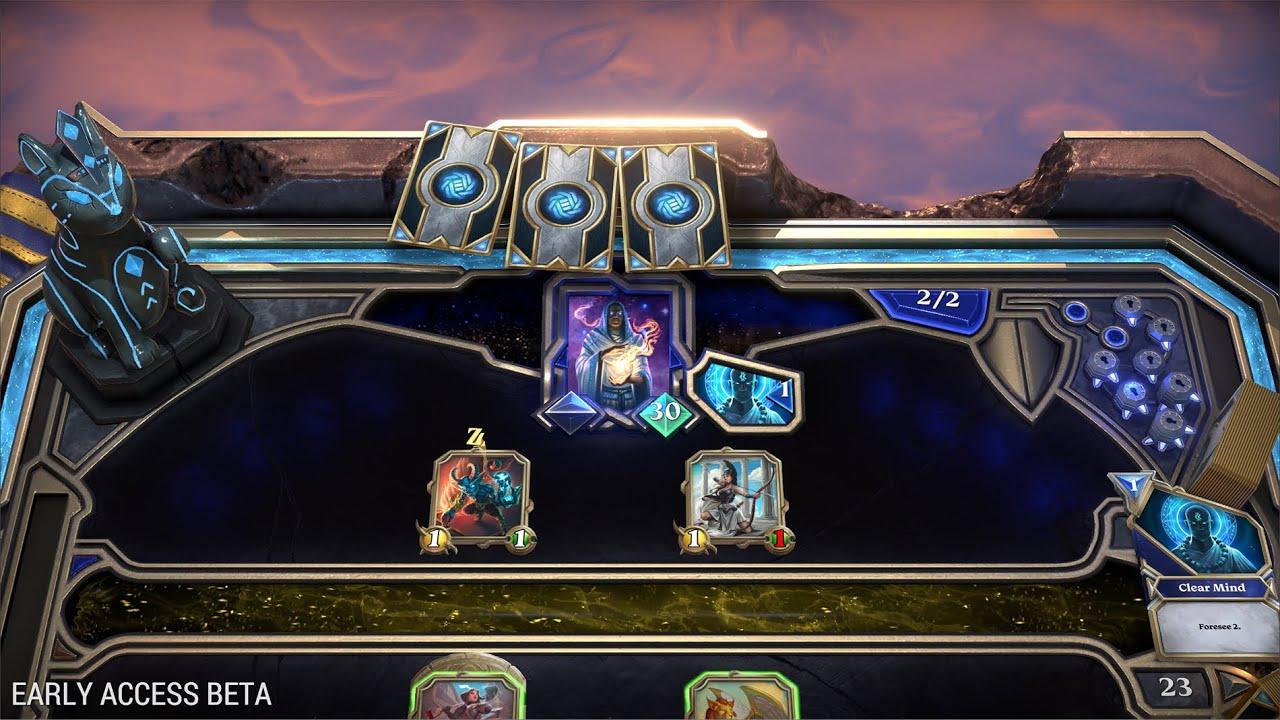
Gods unchained guide is best understood as a map for learning a free-to-play tactical card battler where players build decks, choose a god, use a god power, and compete through turn-based matches. Each match asks you to balance tempo, card advantage, board control, and long-term strategy. The goal is not just to play strong cards, but to play the right cards at the right time.
Gods unchained guide material often mentions ownership because the game uses blockchain-connected cards for parts of its economy. In practical terms, that means some cards may be tradeable digital assets rather than items locked permanently inside a single account. That can be appealing, but it also adds responsibility. You need to understand account security, wallet approvals, marketplace listings, and the possibility that card values can rise or fall.
Gods unchained guide learning also means understanding the six god domains and how they tend to behave. A war-style deck may pressure early and win through damage. A magic-style deck may control the board with spells. A nature-style deck may rely on creatures and efficient trades. The exact balance changes over time, but the habit is stable: read your cards, recognize your role in the match, and build toward a plan instead of a pile of individually strong cards.
How does Gods unchained guide explain the match flow?
Gods unchained guide match flow begins before the first turn. You pick a deck, choose a god power when the format allows it, and look at your opening hand. The opening hand matters because early turns shape the whole match. Keeping playable low-cost cards is usually better than holding expensive finishers you cannot use for several turns.
Gods unchained guide strategy then moves into mana management. Like many digital card games, you gain access to more resources as the match progresses, which lets you play more expensive cards later. Strong players do not simply spend all available mana every turn. They ask whether a play improves the board, protects a future turn, forces an awkward response, or advances the deck's win condition.
Gods unchained guide combat decisions are about trading, attacking face, and preserving threats. If you are ahead, you may want to protect pressure and make the opponent answer you. If you are behind, you may need to remove creatures even when the trade feels inefficient. The protocol of a match is easy to follow, but the judgment behind each move is where skill grows.
Gods unchained guide readers should also watch the void, hand size, card text, and hidden information. Previously played spells, creature abilities, and relic durability can all matter. If a mobile or desktop interface makes a detail hard to inspect, slow down when possible and avoid rushing into a play you cannot undo.
How should a Gods unchained guide approach deck building?
Gods unchained guide deck building starts with one question: how does this deck win? A deck might win by attacking quickly, controlling the board until larger threats arrive, combining cards for a burst turn, or exhausting the opponent's resources. Without that answer, deck building becomes guesswork. A focused deck often beats a deck full of random rare cards because the focused deck draws pieces that work together.
Gods unchained guide planning usually includes the mana curve. If too many cards cost a lot, you may lose before they matter. If every card is cheap, you may run out of impact later. The ideal curve depends on your strategy, but beginners often improve quickly by adding enough early plays, enough removal or interaction, and a few cards that can close the game.
Gods unchained guide deck construction also benefits from grouping cards by job. Some cards start pressure, some remove enemy threats, some draw cards, some protect your board, and some finish the match. For a deeper internal primer, a player can compare these ideas with a and then return to test changes in casual games before ranked matches.
- Choose one main win condition before adding support cards.
- Keep enough low-cost cards to avoid falling behind early.
- Include interaction for common creature and spell threats.
- Cut cards that are powerful but rarely help your plan.
- Review losses to see whether the deck failed early, midgame, or late.
Gods unchained guide refinement is repetitive by design. Play several matches, note which cards stay stuck in hand, identify which matchups feel impossible, and change a few cards at a time. If you alter too much at once, it becomes hard to know what helped.
What cards and rarities matter in Gods unchained guide research?
Gods unchained guide card research should separate gameplay value from collectible appeal. A card can be useful in matches even if it is not the flashiest collectible. Another card can look valuable because of rarity, edition, or marketplace demand but still be narrow in actual play. Competitive usefulness and market interest overlap sometimes, but they are not the same thing.
Gods unchained guide readers will see terms around card sets, rarity, shine, domain, neutral cards, and tradeability. Learn what a card does before assuming it belongs in your deck. A neutral card may fit many gods, while a domain card may support a specific strategy. A removal spell, warded creature, blitz attacker, protected threat, or draw engine can change how your deck plays.
Gods unchained guide collecting should remain cautious. Digital scarcity, marketplace activity, and token rewards can create excitement, but they can also encourage rushed decisions. If you buy cards, use a budget you can afford to lose, confirm the marketplace and wallet flow, and understand that balance patches or metagame shifts can affect demand. For plain definitions, an internal can help separate game terms from market assumptions.
How do game modes fit into a Gods unchained guide?
Gods unchained guide mode selection depends on your current goal. If you are learning controls, casual play is less stressful. If you are testing a deck, repeated games against varied opponents reveal weak turns. If you are climbing ranked, consistency matters more than novelty. A creative deck can be fun, but ranked play tends to punish gaps in the mana curve and removal package.
Gods unchained guide advice for ranked is to track patterns rather than obsess over a single loss. One bad draw, one missed interaction, or one strong opposing deck does not prove your build is broken. Ten matches may reveal that you lose whenever an opponent floods the board by turn three, or that your late-game cards are too slow. That is useful information.
Gods unchained guide users should expect the live game to change. Balance updates, new sets, reward changes, client updates, and mobile performance can affect the experience. Some players may care mostly about competitive rank, while others want collection progress or casual matches. Your best mode is the one that matches your tolerance for time, variance, and technical friction.
What are the benefits of using a Gods unchained guide before playing?
Gods unchained guide preparation reduces the early confusion that often comes with trading card games. Instead of guessing why an opponent won, you can identify whether they had tempo, card advantage, removal timing, a stronger curve, or a better matchup. That vocabulary makes losses less mysterious and helps you improve faster.
Gods unchained guide reading can also prevent expensive mistakes. New players sometimes assume that paid cards automatically make a deck competitive. In practice, piloting skill, metagame knowledge, and card synergy matter heavily. Spending without understanding the deck can create frustration, especially if a future balance change weakens the cards you bought.
Gods unchained guide habits are useful outside this one game as well. Evaluating risk, reading official update notes, protecting accounts, and testing strategies in small steps are good habits for any digital card game or crypto-connected game. The best benefit is not a secret deck list; it is a framework for making better decisions.
Is Gods unchained guide safety advice different because of crypto features?
Gods unchained guide safety advice is different because blockchain features add account and wallet responsibilities. A normal game account can already be valuable, but a wallet-connected account may also involve tradeable assets. That means phishing links, fake support messages, suspicious approvals, and rushed marketplace transactions deserve serious attention.
Gods unchained guide risk management begins with official sources. Confirm download links, supported devices, wallet setup, marketplace instructions, and current reward rules before connecting anything. Do not rely on screenshots, social posts, or someone else's promise of profit. Never share seed phrases or private keys, and be careful with browser extensions that request broad permissions.
Gods unchained guide safety also includes expectations around the game client. Reviews and player discussions for live games often mention bugs, reconnection concerns, balance frustration, or long match behavior. Those reports may change as updates arrive, but they are reminders to test the game for yourself before committing serious time or money.
| Area | Practical check | Why it matters |
|---|---|---|
| Account | Use strong authentication where available | Protects access to cards and progress |
| Wallet | Verify every connection and approval | Reduces exposure to malicious prompts |
| Purchases | Set a clear spending limit | Prevents emotional buying after losses |
| Updates | Read official patch and balance notes | Keeps strategy aligned with current rules |
How does Gods unchained guide compare with other card battlers?
Gods unchained guide comparisons usually start with ownership. Many digital card games let you collect cards inside the game, but the cards remain bound to that ecosystem. Gods Unchained is known for giving certain cards a tradeable digital asset angle. That is the main difference for many players, but it is not the only factor that should guide your choice.
Gods unchained guide comparison should also look at gameplay feel. Some card battlers emphasize fast turns, some focus on complex stack interactions, and others lean into single-player progression or mobile convenience. Gods Unchained sits closer to tactical deck construction and board-based combat, with the added layer of digital ownership for players who want that feature.
Gods unchained guide decision-making should be honest about tradeoffs. If you dislike wallet setup, marketplace learning, or crypto terminology, you can still evaluate the game as a card battler, but those systems may remain in the background. If ownership is your main interest, remember that a fun game loop still matters. A card you own is more satisfying when you also enjoy playing it.
How to get started with Gods unchained guide steps
Gods unchained guide setup should be slow and deliberate. Start by confirming the official download path and current device requirements. Create your account, complete any tutorial or starter flow, and play enough early matches to understand turn order, mana, attacking, god powers, and basic card text. Do not begin with marketplace shopping.
Gods unchained guide first-week practice can be simple. Pick one god, play starter decks, and note which cards consistently help. Try to understand why a creature survives, why a spell cannot target something, or why an opponent chooses to trade instead of attack your god. These small observations build the foundation for stronger deck choices later.
Gods unchained guide progression becomes more useful when you review your own decisions. After a loss, ask whether you kept the wrong opening hand, missed lethal damage, used removal too early, ignored a board threat, or built a deck with too few early cards. Improving one of those habits can matter more than finding a rare card.
- Confirm the official game client and account setup details.
- Finish the tutorial and play starter matches without spending.
- Choose one god domain to learn deeply at first.
- Build a focused deck around one plan and a stable mana curve.
- Review match losses before changing cards or buying upgrades.
What should a Gods unchained guide leave you with?
Gods unchained guide learning should leave you with a practical mindset: play the game as a strategy card battler, treat ownership features as an added system, and move carefully whenever real money or wallet access is involved. The best early progress comes from clear deck plans, patient match review, and steady rules knowledge.
Gods unchained guide preparation cannot promise wins, rewards, profits, or a perfect technical experience. It can help you avoid common beginner errors and ask better questions. If you understand your deck's purpose, know when you are the aggressor or defender, and verify crypto-related details through official sources, you will be in a much better position to decide whether the game fits you.
Gods unchained guide strategy is ultimately about control: control over your cards, your decisions, your risk, and your expectations. Start small, learn the board, protect your account, and let your collection grow only as your understanding grows. That is a stronger path than chasing hype, copying lists blindly, or assuming ownership mechanics replace sound card game fundamentals.
Questions and Answers
What is Gods Unchained and why do players need a guide?
Gods Unchained is a tactical digital card game with deck building, god powers, ranked play, and blockchain-connected card ownership. A guide helps because new players must learn both card game fundamentals and extra terms such as wallets, marketplaces, and tradeable cards. The most important early skills are understanding your deck plan, managing mana, and protecting your account before using any crypto-related features.
Is Gods Unchained free to play?
Gods Unchained is commonly presented as free to start, but players should verify the current setup, supported devices, reward rules, and marketplace details through official sources. You can learn basic matches and deck construction without treating spending as required. Paid or tradeable cards may affect collection options, but they do not replace strategy, good sequencing, and careful deck building.
How should beginners build a Gods Unchained deck?
Beginners should build around one clear win condition instead of mixing unrelated strong cards. Start with enough low-cost cards to survive early turns, add removal or interaction, include cards that support the main plan, and avoid overloading the deck with expensive finishers. After several matches, adjust a few cards at a time so you can tell which changes actually improved performance.
Are Gods Unchained cards risky because they use blockchain features?
Some Gods Unchained cards may connect to digital ownership and marketplace systems, so there are extra risks. Prices can change, balance updates can affect demand, and wallet mistakes can be costly. Players should use official sources, protect private keys and seed phrases, avoid suspicious links, verify approvals, and never spend money they cannot afford to lose.
What is the best way to improve at Gods Unchained ranked play?
The best way to improve is to review repeated patterns instead of reacting to one match. Track whether you lose early, run out of cards, lack removal, or fail to close games. Learn common god domains, study your opening hand decisions, and practice when to trade creatures versus attack directly. Consistency usually matters more than surprising opponents with unfocused card choices.
Can a Gods unchained guide guarantee rewards or profits?
No. A Gods unchained guide can explain systems, risks, and strategy, but it cannot guarantee wins, rewards, card values, or profits. Game balance, player skill, marketplace demand, technical updates, and broader crypto conditions can all change outcomes. Treat the game as entertainment first, and verify any reward or asset information with official sources before making decisions.