Gods unchained Is a tactical card game with digital ownership
Gods unchained Is a free-to-play tactical trading card game where players build decks, choose divine powers, and compete in turn-based matches using fantasy cards. The main idea is familiar to card game fans: manage resources, play creatures and spells, and reduce the opponent's health before they do the same to you. What makes Gods unchained different is its focus on collectible digital cards, marketplace trading, and ownership features tied to blockchain technology.
Gods unchained can be understood first as a strategy game, not as a shortcut to profit or a guaranteed rewards system. A new player should expect to learn card interactions, deck archetypes, match pacing, and the risks that come with any game using tradable digital assets. The safest way to approach Gods unchained is to treat it as entertainment, verify account and marketplace details through official sources, and avoid spending more than you are prepared to lose.
What is Gods unchained?
Gods unchained is a digital trading card game built around one-on-one battles. Players assemble a deck, select a god, choose a god power, and try to outplay an opponent across a sequence of turns. Like many tactical card battlers, Gods unchained rewards planning, resource management, and an understanding of when to attack, defend, trade creatures, or hold a powerful card for later.
Gods unchained uses a fantasy setting where gods, mortals, spells, weapons, relics, and creatures shape each match. The appeal is partly in the card combat and partly in collecting. Some players enjoy climbing ranked ladders, some focus on building unusual decks, and others are interested in the wider web3 layer around tradable cards. These interests overlap, but they are not the same, so expectations matter.
Gods unchained is often described as a blockchain card game because certain cards can exist as digital assets that players may trade outside the basic match screen. That does not mean every card is valuable, that every player will earn meaningful rewards, or that the game removes normal market risk. It means Gods unchained combines conventional trading card design with a digital ownership model that needs extra care from users.
How does Gods unchained gameplay work?
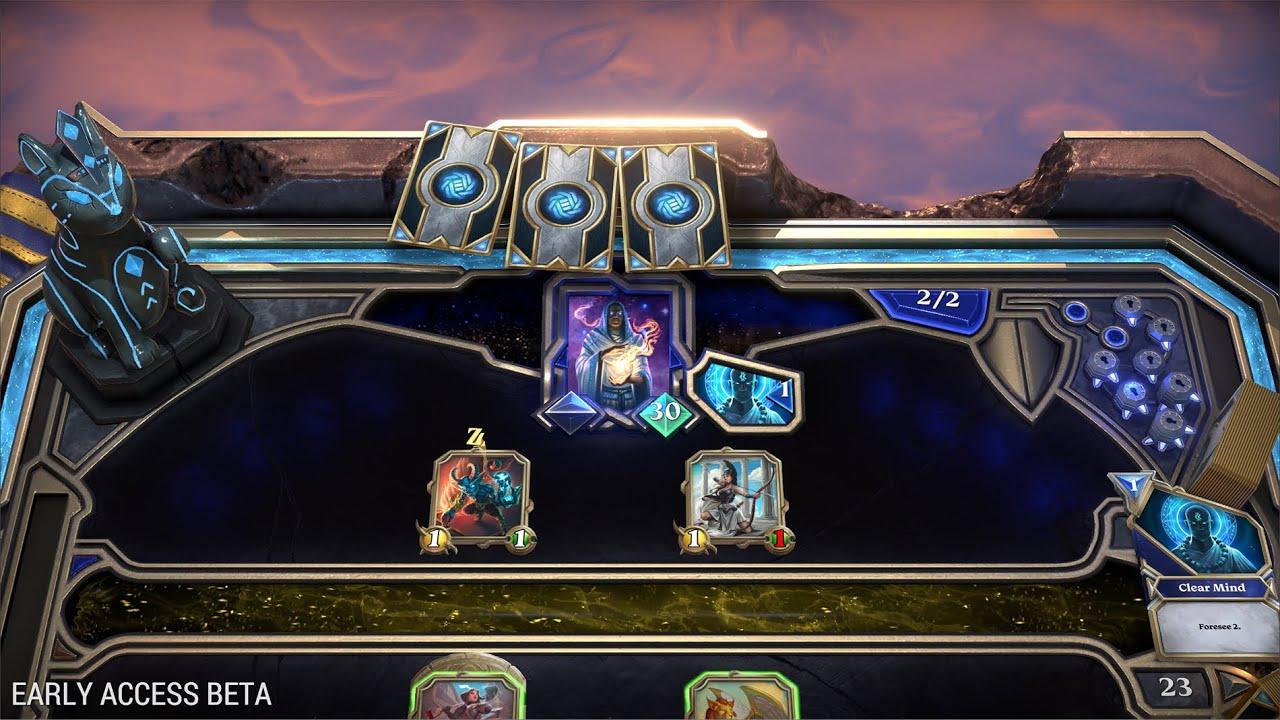
Gods unchained gameplay begins with deck selection. A deck usually reflects a particular god, strategy, and card pool. In a match, each player draws cards, spends mana, plays creatures or spells, and attempts to control the board. The rhythm of Gods unchained depends on tempo, efficient trades, and knowing when direct damage is more important than removing opposing threats.
Gods unchained uses mana as the pacing system. Early turns often involve low-cost creatures or setup plays, while later turns unlock stronger effects. For a new user, the learning curve is not only about reading cards but also about understanding why a play is strong in one matchup and weak in another. Gods unchained can feel simple at first, but small decisions often decide the outcome.
Gods unchained also includes divine powers that give each match a recurring strategic layer. A god power can influence how a deck wins, whether through board control, aggressive pressure, healing, card advantage, or late-game threats. In practice, the best Gods unchained players do not only memorize card text. They learn the shape of matchups and adjust their turn order before a crisis arrives.
For many players, the most important early skill in Gods unchained is board evaluation. A creature with modest stats may be valuable if it protects a key card, enables a combo, or forces an inefficient response. A high-cost card may look exciting but be too slow if the opponent is already applying pressure. This is where Gods unchained resembles the best parts of traditional tabletop and digital TCG design.
How do cards, decks, and domains fit together?
Gods unchained organizes play through gods, domains, and card identities. A deck is more than a pile of strong cards. It needs a plan for the first turns, a way to recover from pressure, and a realistic path to win. Gods unchained rewards players who understand their deck's curve, meaning the spread of card costs from early to late game.
Gods unchained deck building usually starts with a question: what is this deck trying to do before the opponent stabilizes? An aggressive deck may try to end the match quickly. A control deck may remove threats and win later. A midrange deck may switch roles depending on the matchup. A combo-oriented deck may protect key pieces until a decisive turn arrives.
Gods unchained players should also learn card types and keywords gradually. Reading every possible card at once is less useful than learning why common effects matter. Removal cards answer creatures, draw effects refill the hand, relics can change combat math, and protection effects can make an ordinary board difficult to break. Our can sit naturally next to this broader overview for readers who want a deeper deck plan.
Gods unchained becomes easier when players track both visible and likely hidden information. If an opponent has passed with available mana, they may be holding a response. If they keep trading into your board, they may be preparing for a late-game card. The game does not require psychic prediction, but it does reward careful reading of patterns.
How to get started with Gods unchained
Gods unchained is approachable if you treat the first sessions as practice rather than a test of skill. Start with the basic client, complete tutorials or beginner matches if available, and avoid rushing into ranked expectations. The early goal is to understand card flow, turn timing, and how your chosen god power supports the deck you are playing.
Gods unchained beginners can follow a simple workflow before spending time or money on collection upgrades:
- Install the game only through official stores or official download paths.
- Create and secure the account with strong credentials and any available protection.
- Play starter decks until you understand mana, attacks, card text, and turn order.
- Choose one god or archetype to learn before switching constantly.
- Review losses by identifying the turn where the match became difficult.
- Verify marketplace, wallet, and trading steps through official sources before connecting anything valuable.
Gods unchained can become confusing when a new user tries to learn gameplay, card collecting, marketplace terminology, and crypto wallet safety at the same time. It is better to separate those layers. First learn the match rules. Then learn deck construction. Only after that should you explore ownership, trading, or rewards mechanics, and even then with a cautious mindset.
For a new user, Gods unchained should not begin with chasing rare cards. Strong fundamentals matter more. Learn when to keep an opening hand, when to trade, when to push damage, and when to save removal. Expensive or scarce cards cannot compensate for weak sequencing, and a simpler deck can still teach the habits that improve long-term play.
What are the main benefits of Gods unchained?
Gods unchained appeals to players for several practical reasons. The first is strategic depth. Matches are short enough to play in sessions but complex enough to reward study. The second is collection identity. Players can refine a favorite archetype and build around personal preferences instead of using only temporary loaner cards.
Gods unchained also offers the appeal of tradable digital collectibles. In a traditional digital card game, cards usually stay locked inside the publisher's environment. In Gods unchained, some cards may be connected to a wider ownership and marketplace structure. That feature attracts players who want their collection to feel more portable, although portability still depends on platform rules, technical support, marketplace conditions, and future game health.
Gods unchained may also interest players who enjoy competitive ladders, seasonal formats, weekend events, and the ongoing process of adapting to balance changes. A living card game can stay fresh because decks rise and fall as new cards, patches, and player discoveries change the metagame. That same movement can be exciting, but it also means yesterday's strongest deck may not stay dominant.
Gods unchained has another benefit that is easy to overlook: it teaches transferable card game skills. A player who learns tempo, value, mulligans, resource denial, and matchup roles in Gods unchained will recognize similar concepts in other TCGs and strategy games. The game can therefore be enjoyable even for players who ignore the trading layer entirely.
What risks should players understand before using Gods unchained?
Gods unchained includes ordinary game risks and web3-specific risks. Ordinary risks include balance frustration, bugs, device compatibility issues, long turns from opponents, and the possibility that a favorite deck changes after a patch. These are common in live digital games, but they still affect the experience. Users should check current platform requirements, update notes, and community status before assuming the experience will be identical on every device.
Gods unchained also involves risks tied to wallets, marketplaces, tokens, and collectible pricing. Digital assets can lose value, liquidity can dry up, fees can change, and scams can imitate real services. Nothing about Gods unchained removes the need for caution. Players should verify URLs, avoid unsolicited offers, protect recovery phrases, and never treat a game reward model as financial advice.
Gods unchained players should be especially careful with account security. A trading card collection can become a target if it has marketplace value. Use strong passwords, keep wallet recovery information offline, and confirm every connection request before approving it. Our expands on the habits that reduce preventable mistakes without promising complete protection.
Gods unchained also has design risks that come from competitive card games generally. A card may feel unfair until you learn its counters, but some metas can still become frustrating. A deck may be powerful because of skillful synergy or simply because its numbers are overtuned. Balance changes are part of the genre, so players should expect adaptation rather than permanent certainty.
How does Gods unchained compare with other card games?
Gods unchained shares core DNA with digital trading card games, collectible card games, and tactical deck builders. If you have played games built around mana, creatures, spells, ranked ladders, and deck archetypes, much of Gods unchained will feel familiar. The difference is the way card ownership and marketplace activity are positioned as part of the broader product.
Compared with a fully closed digital card game, Gods unchained may offer more collection control for users who value trading. Compared with a paper card game, Gods unchained is faster to access and easier to queue into matches, but it depends on servers, software updates, and platform support. Compared with a pure crypto project, Gods unchained has an actual game loop that must be fun on its own to keep players engaged.
Gods unchained is not automatically better for every player. Someone who only wants polished mobile convenience may care more about stability and interface feel than ownership. Someone who only wants a deep competitive ladder may judge Gods unchained by balance, matchmaking, and tournament support. Someone interested in digital collectibles may care most about marketplace clarity and long-term card utility.
In practice, Gods unchained is best evaluated as a hybrid. It is a card battler, a collection game, and a web3 product at the same time. That hybrid nature is the reason some players are enthusiastic and others are cautious. The right question is not whether Gods unchained is universally ideal, but whether its particular mix fits your preferred way to play.
What should new players focus on first?
Gods unchained rewards patience. The first priority is not owning many cards, but understanding why a match is won or lost. Watch how your opening hand affects the first three turns. Notice when you run out of cards. Track whether you are losing to early pressure, late-game value, poor trades, or unfamiliar card text. These observations are more useful than blaming every loss on card rarity.
Gods unchained players should also avoid changing decks after every defeat. A deck can be weak, but a single loss rarely proves it. Play enough matches to see patterns. If the same problem appears repeatedly, adjust a few cards rather than rebuilding everything. This method makes Gods unchained more understandable because each change has a clear purpose.
Gods unchained becomes more enjoyable when you define your goal honestly. If your goal is casual fantasy card combat, you can ignore much of the marketplace. If your goal is ranked improvement, study the metagame and learn common matchups. If your goal involves collecting or trading, keep risk controls front and center. Different goals require different habits, and mixing them carelessly leads to frustration.
Is Gods unchained worth trying?
Gods unchained is worth trying for players who like tactical card games and are curious about digital ownership, provided they approach it with realistic expectations. The strongest reason to try Gods unchained is the gameplay loop: building a deck, reading the opponent, and finding a winning line through limited resources. The ownership layer can add interest, but it should not be the only reason to play.
Gods unchained is less suitable for anyone who dislikes live-service changes, account security responsibilities, crypto terminology, or the possibility of technical issues. It is also not a guaranteed earning opportunity. Rewards, prices, and market conditions can change quickly, and players should confirm current details with official sources before making decisions involving money, wallets, or tradable assets.
Gods unchained ultimately sits at the intersection of strategy gaming and web3 collecting. Learn the rules first, build carefully, protect your accounts, and let enjoyment of the card game carry the experience. If Gods unchained remains fun even when no reward is guaranteed, then its tactical battles, deck choices, and collection systems have a much better chance of being worth your time.
Questions and Answers
What is Gods unchained in simple terms?
Gods unchained is a digital trading card game where players build decks and compete in turn-based fantasy battles. Each match involves managing mana, playing creatures and spells, and using a chosen god power to defeat the opponent. It also includes digital ownership features for some cards, so players should understand both the gameplay and the marketplace risks before spending money.
Is Gods unchained free to play?
Gods unchained is generally presented as free to start, with starter cards or beginner paths helping new players learn the game. However, players may encounter optional purchases, marketplace activity, or collectible cards connected to digital assets. Free access does not remove risk, so users should verify current costs, wallet requirements, and platform details through official sources before making financial decisions.
How do you win a match in Gods unchained?
You win a Gods unchained match by reducing the opposing god's health to zero before your own god is defeated. To do that, you manage mana, play cards efficiently, control the board, and decide when to attack creatures or push damage directly. Strong play depends on deck strategy, matchup knowledge, timing, and careful use of removal, creatures, spells, and god powers.
Do you need crypto knowledge to play Gods unchained?
You can learn the basic card game side of Gods unchained without deep crypto knowledge, especially when focusing on tutorials, starter decks, and casual matches. Crypto knowledge becomes more important if you explore wallets, trading, tokens, or marketplace features. Before connecting wallets or moving assets, verify instructions with official sources and protect recovery phrases carefully.
Is Gods unchained safe for beginners?
Gods unchained can be approachable for beginners as a strategy game, but safety depends on account habits and expectations. Players should use official download sources, secure credentials, avoid suspicious links, and treat tradable digital assets cautiously. The game may involve bugs, balance changes, market volatility, and platform requirements, so beginners should start slowly and avoid spending beyond their comfort level.
What should I learn first in Gods unchained?
New Gods unchained players should first learn turn structure, mana, attacks, card types, and how their chosen god power supports a deck. After that, focus on opening hands, board control, and why certain trades are efficient. Marketplace and collection decisions can wait until you understand the core game, because better fundamentals help you judge which cards actually matter.
Can you earn money from Gods unchained?
Some players may participate in rewards, trading, or digital asset markets connected to Gods unchained, but outcomes are not guaranteed. Card prices can fall, liquidity can change, fees may apply, and game rules or reward systems can be updated. Treat Gods unchained primarily as a game, not as financial advice or a reliable income source, and verify current terms officially.